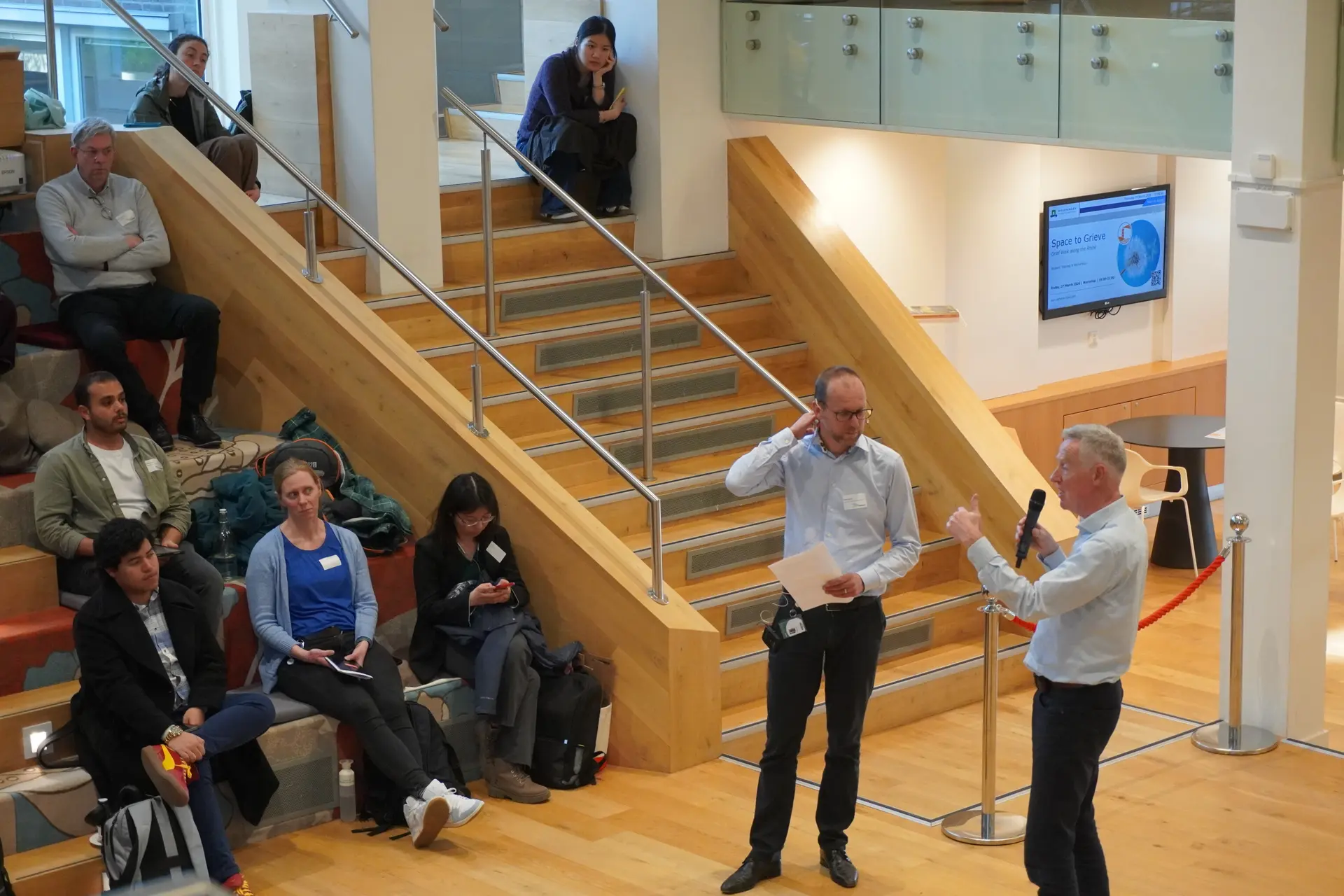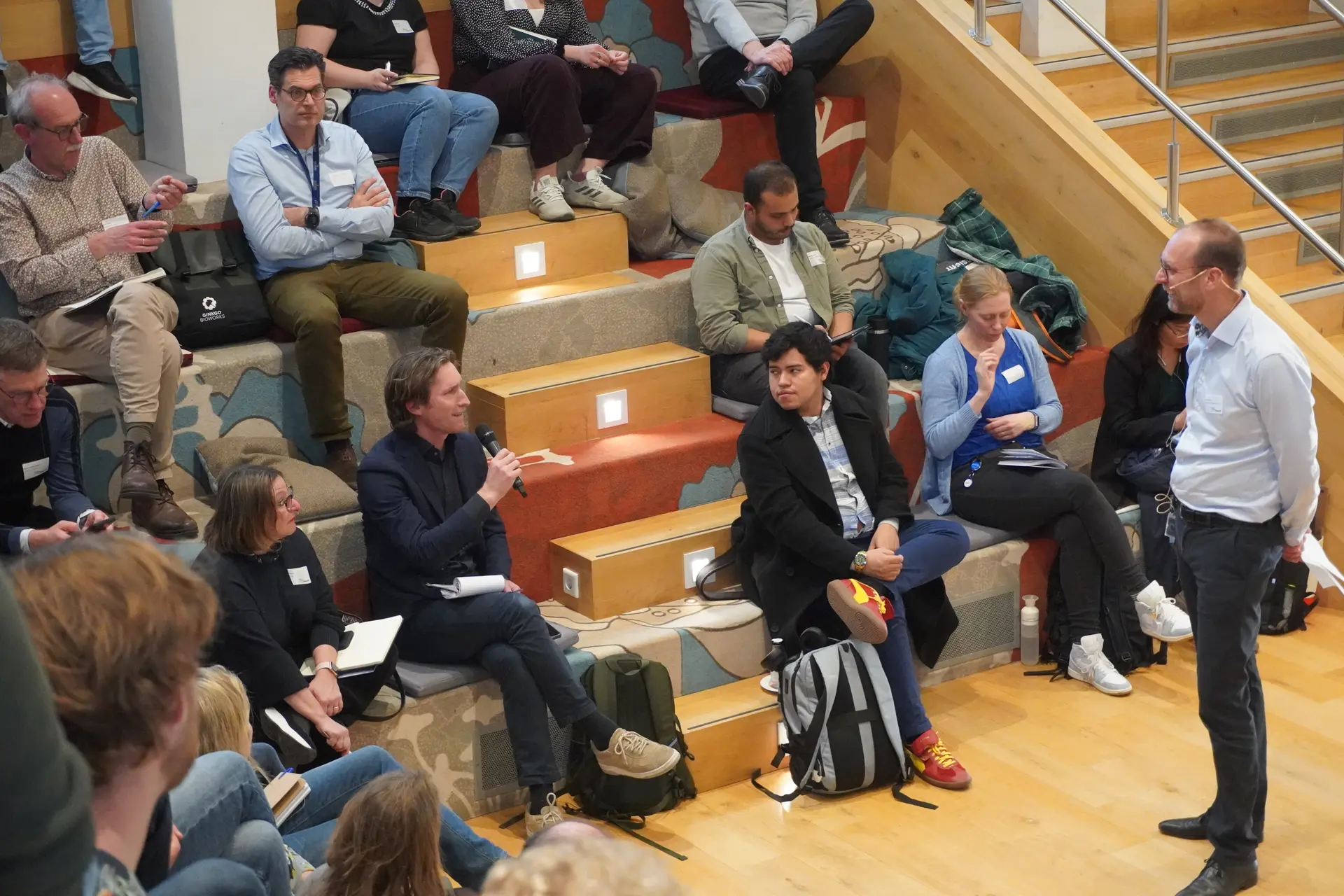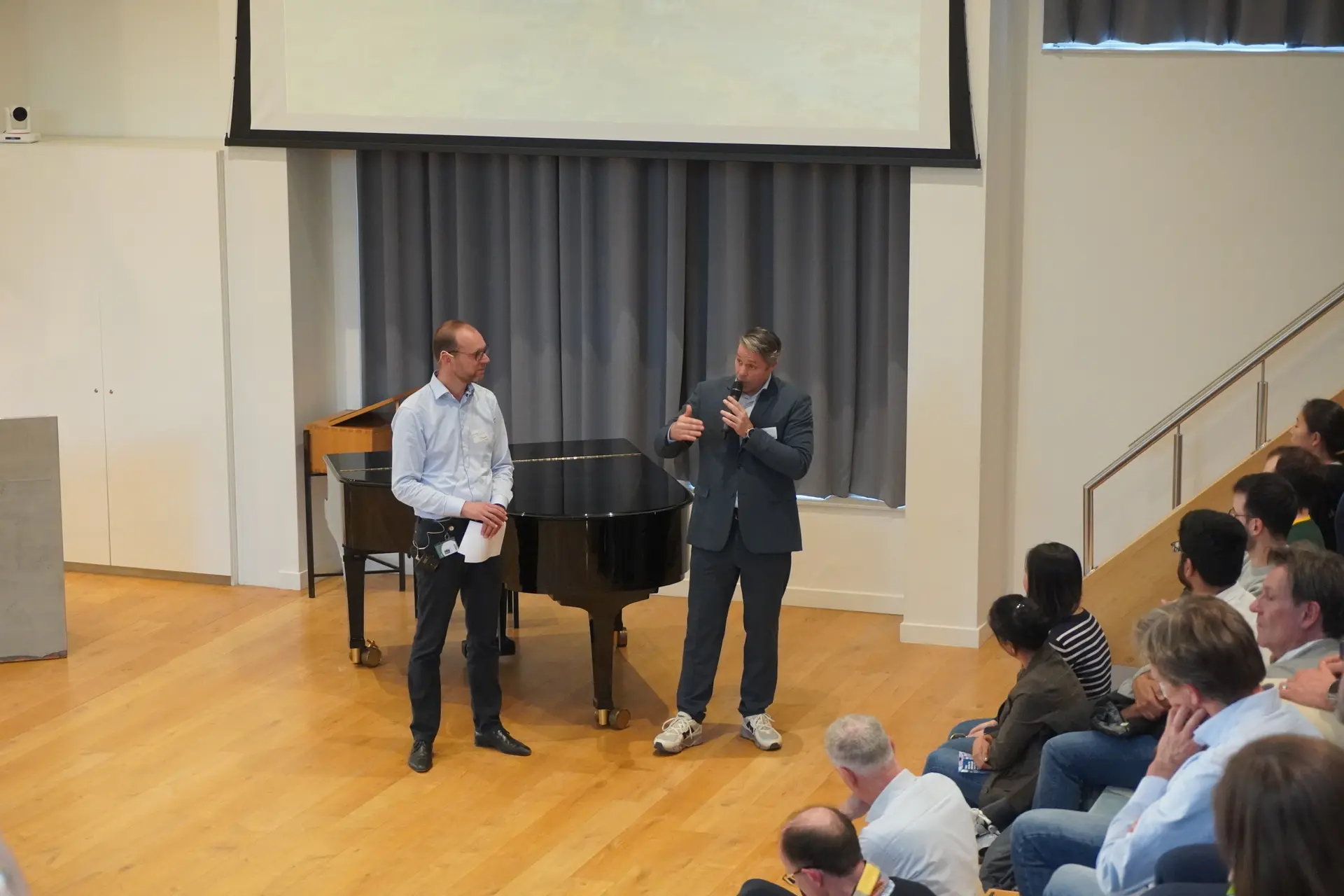
Terugblik Campus Connect over microbiële eiwitten
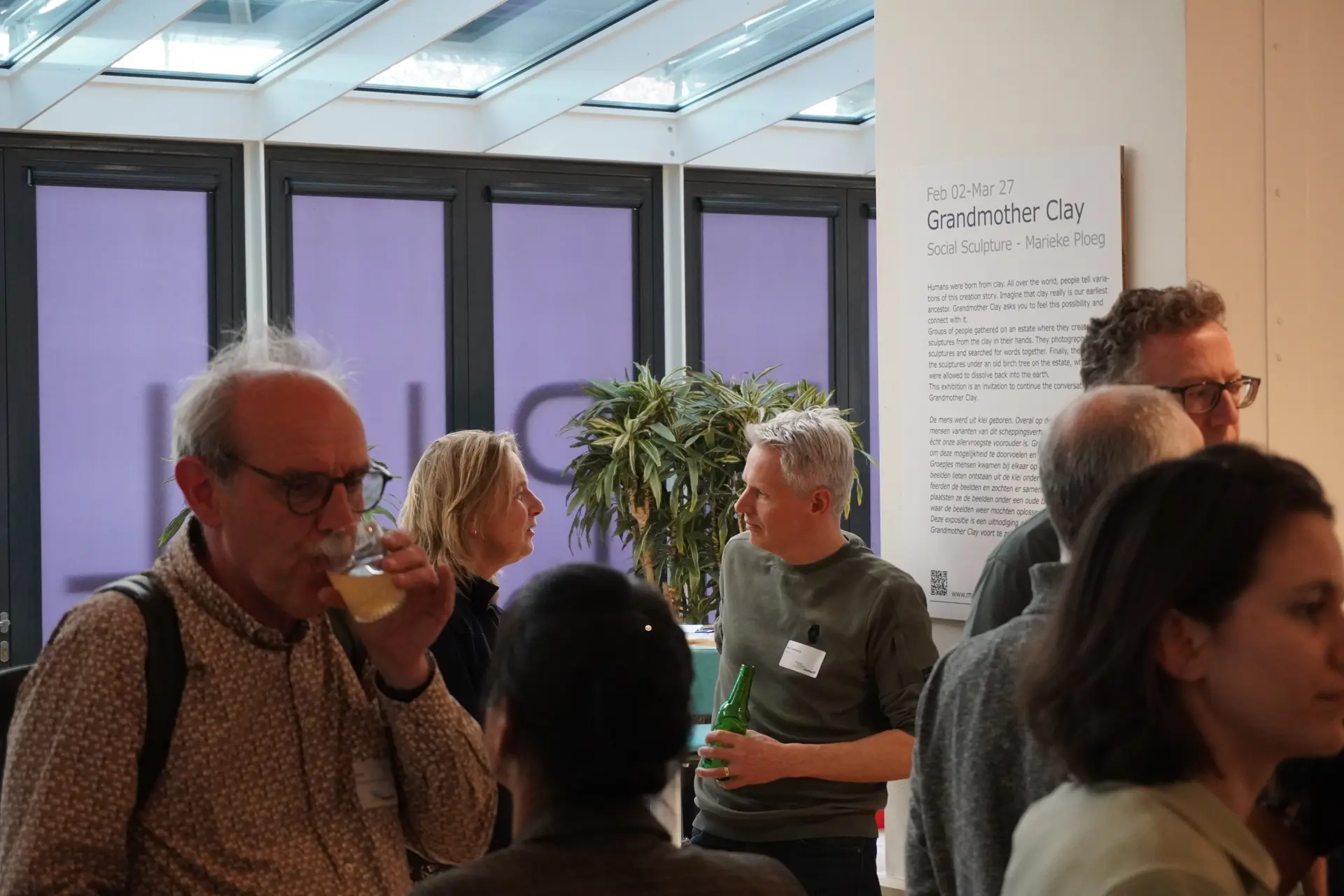
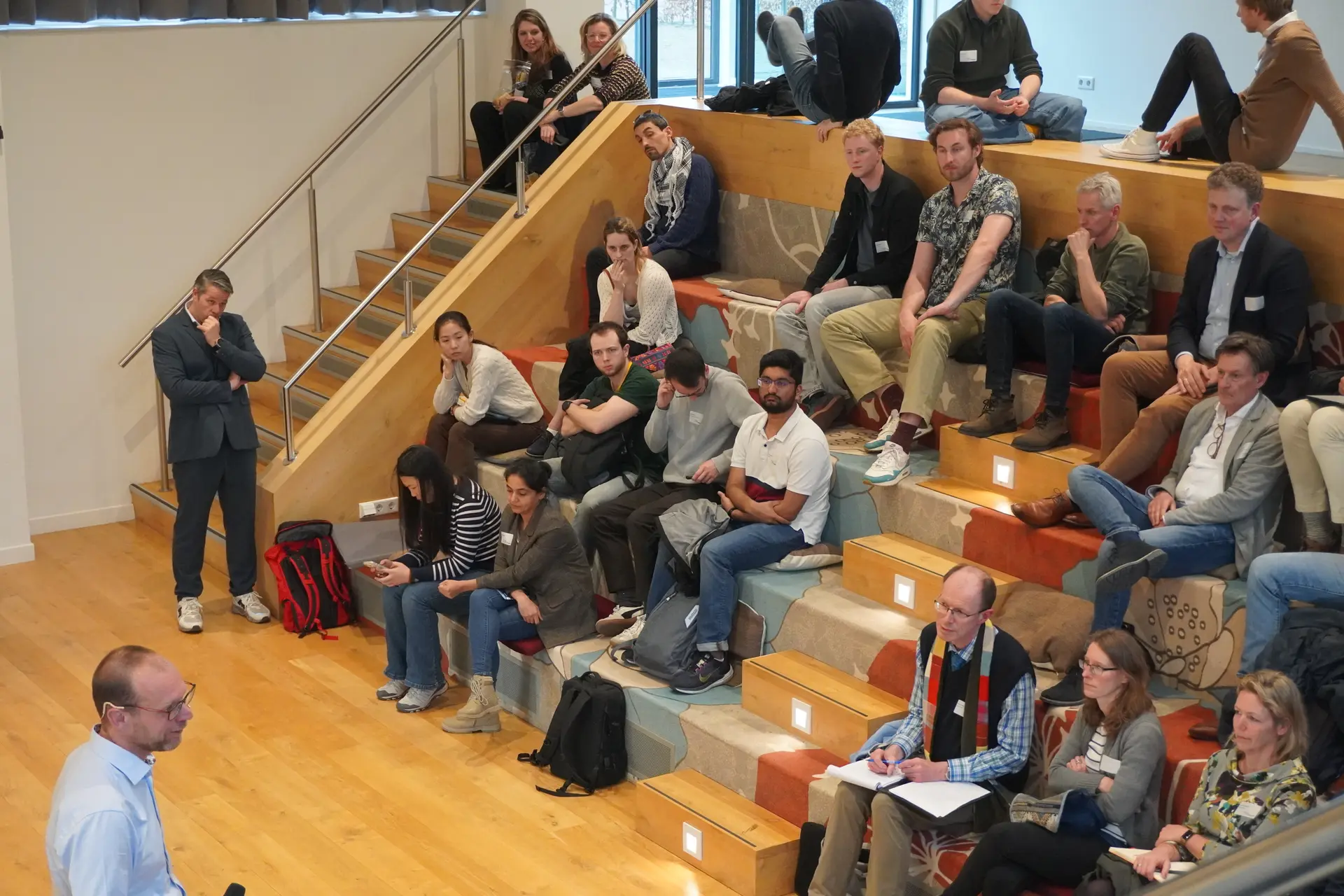
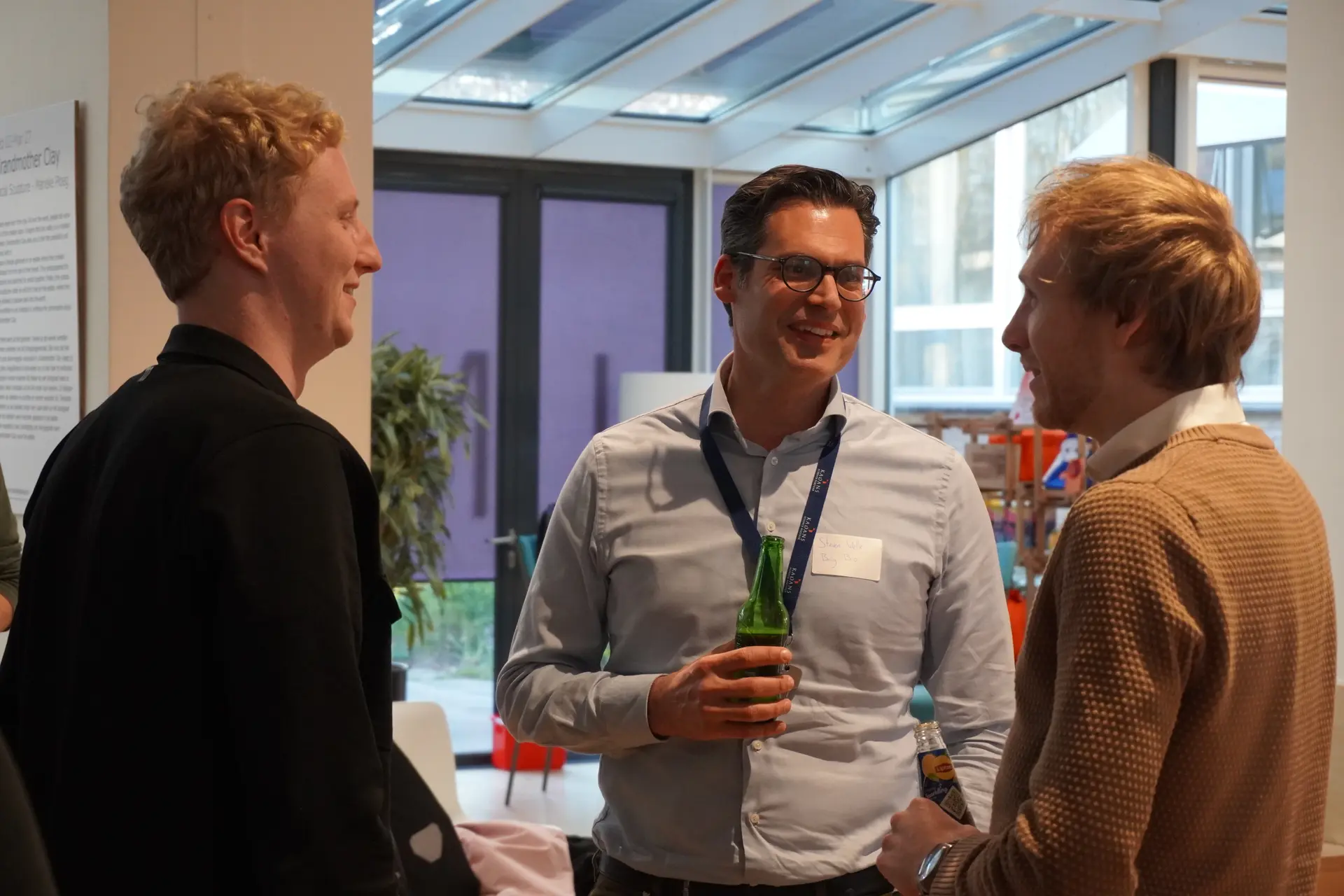
Tijdens de Campus Connect-sessies van vorige week kwamen innovators op het gebied van microbiële eiwitten, toepassingen van mycoproteïne en precisiefermentatie bijeen, die elk hun visie gaven op de ontwikkeling van het eiwitlandschap.
Enkele opvallende hoogtepunten:
Microbiële en precisiefermentatie zijn al in opmars en bieden nog volop ruimte voor innovatie.
Van klassieke tot biomassa- en precisiefermentatie: de sprekers bespraken nieuwe koolstofbronnen, elk met hun eigen voor- en nadelen.
Mycoproteïne ontpopt zich als een veelzijdig, functioneel ingrediënt
ProteinUnited liet zien hoe mycoproteïne de smaak, textuur, duurzaamheid en betaalbaarheid kan verbeteren, waarbij de huidige focus ligt op toepassingen in hybride vlees en vetnabootsende systemen om botervervangers in bakkerijproducten te creëren.
Precisiefermentatie voor medische voeding komt in een stroomversnelling
BRIG BIO liet zien hoe gemanipuleerde micro-organismen zuivere zuivelproteïnen kunnen opleveren, met de nadruk op het veiligstellen van de bevoorrading voor de sector medische voeding. Hun vergelijkingen tussen de ‘bioreactor’ van de natuur (de koe) en industriële fermentoren maakten de efficiëntie van precisiefermentatie ten opzichte van melkproductie op basis van koeienmelk heel concreet.
Een gedeelde visie: duurzame, hoogwaardige microbiële proteïnen zijn niet meer weg te denken!
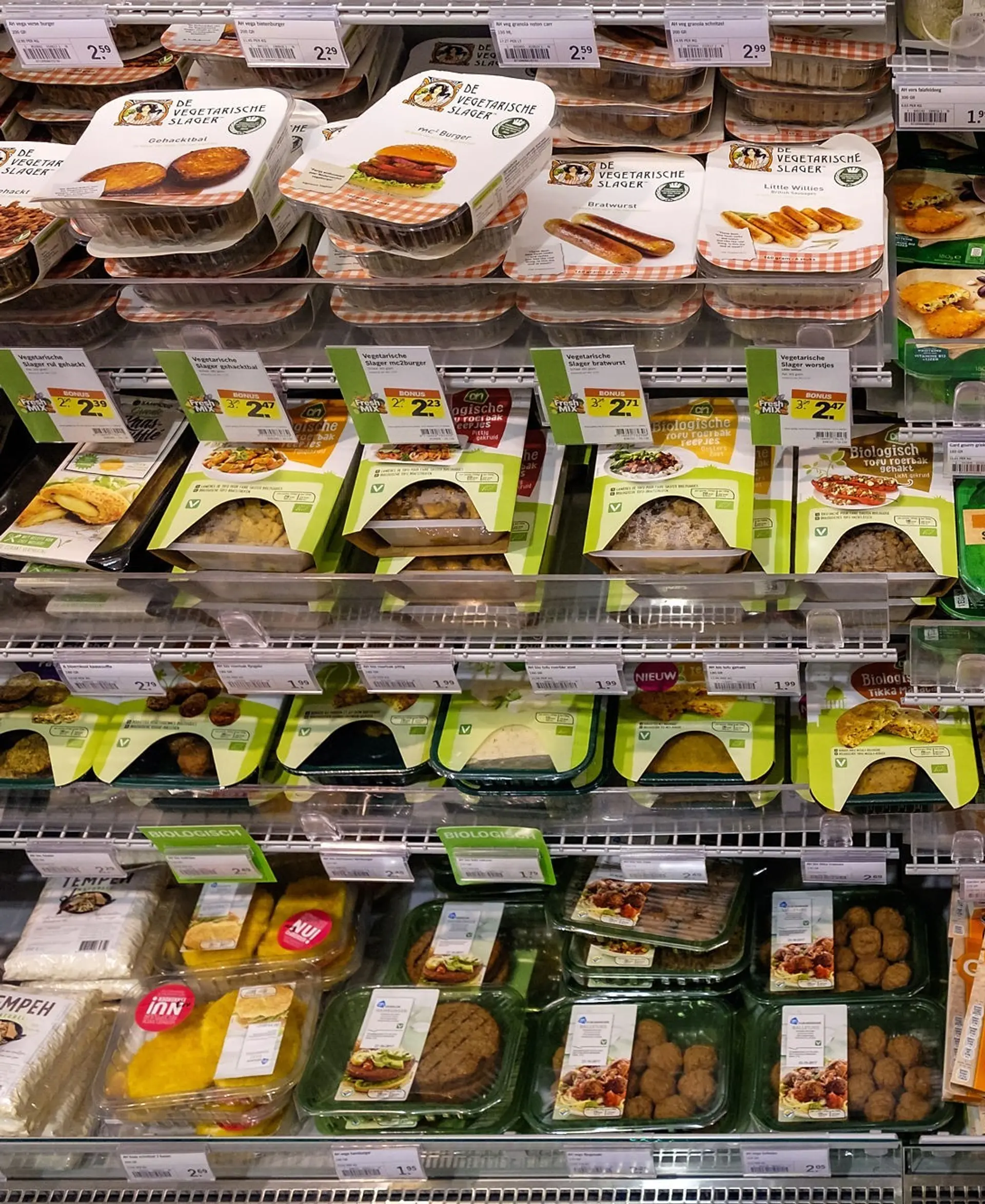
In alle presentaties kwam één thema duidelijk naar voren! Microbiële eiwitten zijn al tientallen jaren op de markt. Verdere innovatie zal zorgen voor verdere groei van deze producten, waarbij biomassafermentatie naar verwachting een rol zal spelen in de bulkproductie met steeds meer functionaliteiten en precisiefermentatie naar verwachting een hoofdrol zal spelen in producten met een hogere toegevoegde waarde, mogelijk gemaakt door de hoge functionaliteit van de op deze manier geproduceerde producten.
Foto's